Featured

World Wildlife Day 2022: ‘Mother From Wild’; Glimpse Into Maternal Struggles Amongst Fishing Spiders!

‘Mothers’ are known to brave it all, and female fishing spiders are no different
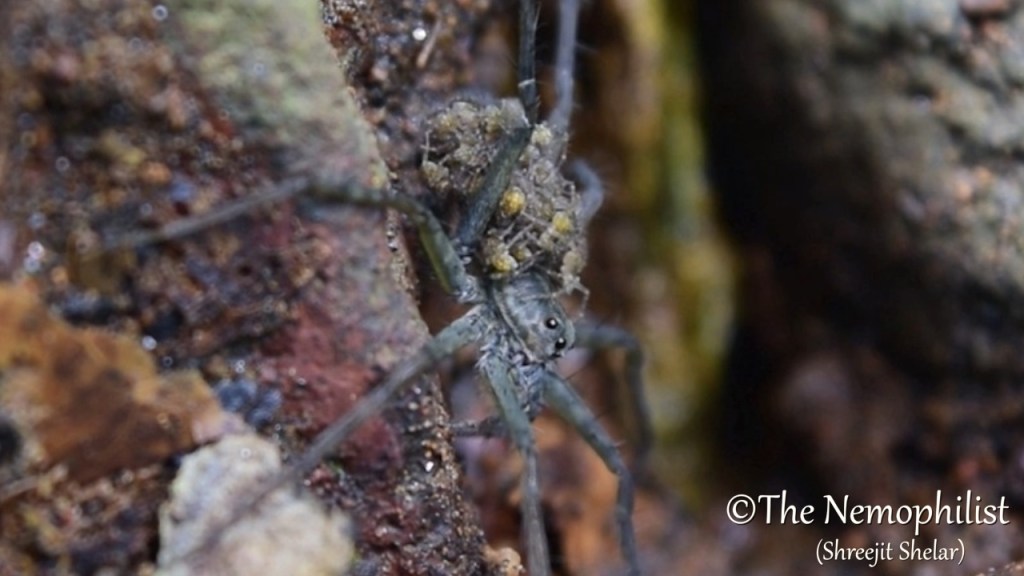
Female Fishing Spider with hundreds of babies on its back.

‘Maternity’ can be a really special occurrence, however, embracing motherhood amongst animals can be quite bizarre and controversially delightful. 

“In effect, kangaroo-style, early female human ancestors became marsupial, carrying their immature youngsters outside their wombs,” said Dr Taylor, who has published his research in a book called The Artificial Ape.

Mothers are known to brave it all, and female fishing spiders are no different!

Most arachnids aren’t considered maternal creatures, however, there have been some exceptions. For instance, the various species of female wolf spiders carry their off-springs in a rather distinctive manner both before and after they hatch. 

On the contrary, scorpion mothers also carry their young on their backs for a period after birth.

Distinctly large and hairy, Fishing Spiders are members of the Pisauridae family. Females are generally larger than males, and after mating the female spins a spherical silk cocoon in which she lays her eggs.

According to the studies, she watches over it and carries it around with her, even on the water, until the eggs hatch. The females carry their egg cases, which may even contain around 1,400 eggs suspended between the chelicerae (fangs), pedipalps, and spinnerets (large wolf spiders, which resemble fishing spiders, carry their eggs at the rear of the body, attached to the spinnerets).

While we talk about long-suffering moms, some female spider species allow their younglings to eat them live, reports NatGeo.

About 40 percent of the females have the opportunity to reproduce because they mature more slowly than the males, and those that don’t—the so-called virgin females—go to extreme lengths to care for their sisters’ babies.

Once the eggs hatch, both mother and virgin females begin producing a nourishing fluid, which they feed to the offspring by mouth. 

“This is a very intense process. In the end, the female will basically start to liquefy, and will use up almost all of her resources,” says study co-author Anja Junghanns, an evolutionary biologist at Germany’s University of Greifswald, as reported by NatGeo.

“When she is almost depleted, the offspring will crawl onto her and start eating her.”

As observed, young Fishing spiders are believed to feed on their mother’s skin during their initial stages of development. 

Matriphagy, or mother-eating, is exceedingly rare in nature, but Jo-Anne Sewlal, a fellow of the Zoological Society of London, told NatGeo that the behaviour has been documented in some species of insects, nematode worms, and other arachnids. 

“While it may seem unthinkable for a child to cannibalize its mother,” Sewlal says, “it’s important to understand matriphagy has evolved over many generations to be the most effective means of ensuring the survival of the species.”

Be it a Lioness and her cub, or spider and her younglings, Motherhood continues to remain in its rawest and purest forms in wildlife. 
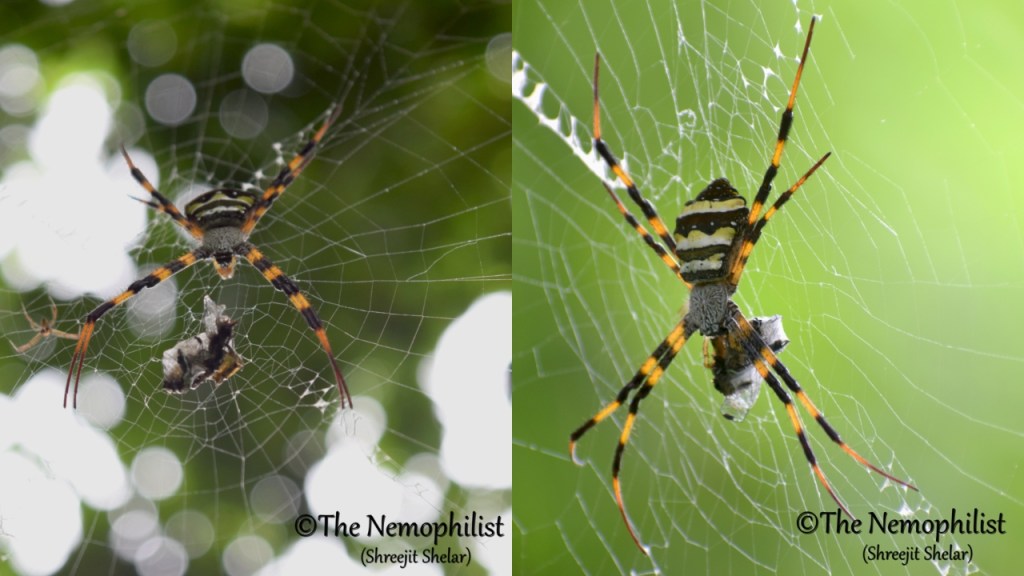
Spider-Women Eating Spider-Men After Sex: This Is Where Sexual Pleasures Turn A Lot More Creepy!

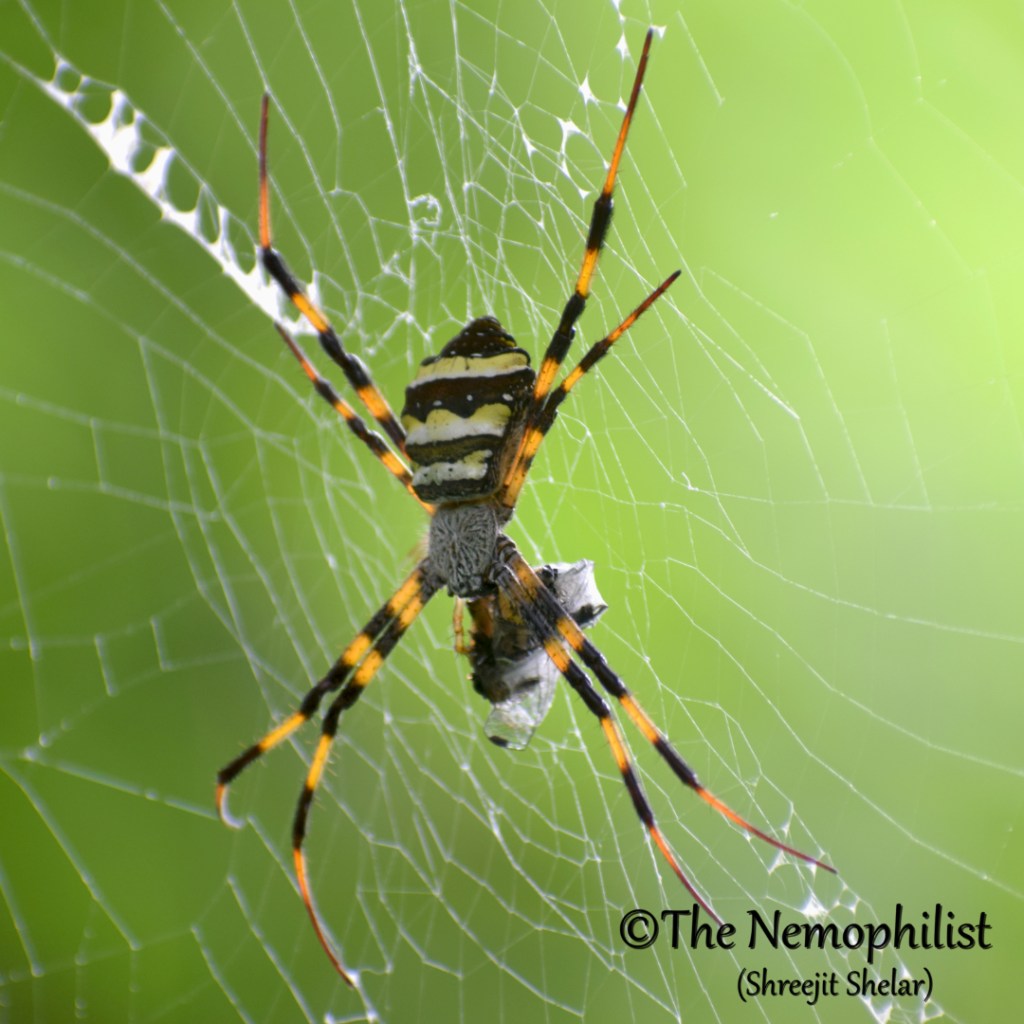
Signature Spiders are known to show signs of cannibalism. In several spider species, females eat the males after sex. 
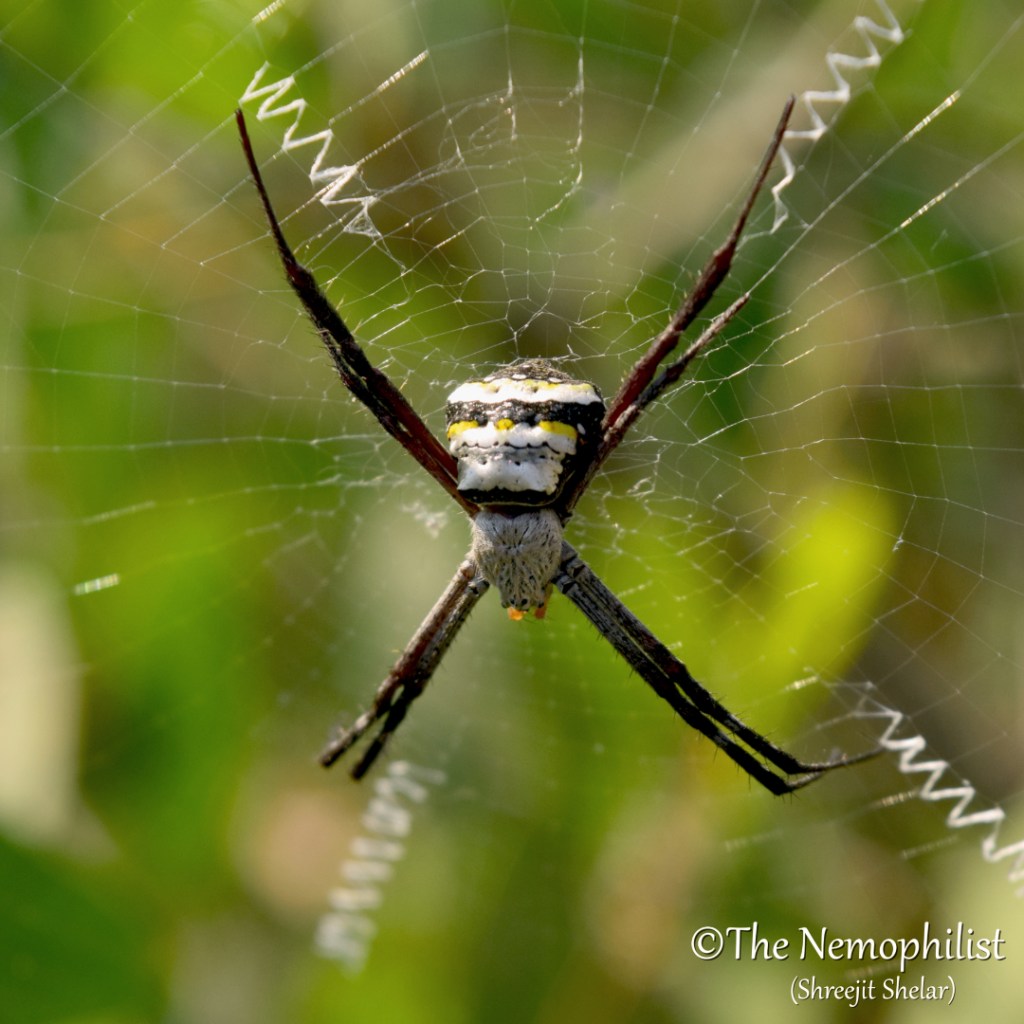
A female Signature spider feeds on a mosquito while a wandering male Signature spider waits to impregnate the female.

Try to Observe closely you might even spot a small ‘male-signature spider’! 

These spiders are known to show signs of cannibalism. In several spider species, females eat the males after sex. While the exact reason for such behaviour seems to be a mystery to us, studies have suggested that there are various complex evolutionary reasons involving costs and benefits to the species, sperm competition and esoteric sexual selection schemes.

Interestingly, the only motivation for this creepy cannibalistic behaviour is much more simple! 

It’s all about the SIZE. 

If males are small, they’re easier to catch and therefore more likely to be prey, says Shawn Wilder and Ann Rypstra from Miami University in Ohio. Big females eat their puny mates simply because a) they’re hungry and b) they can.

According to an NBCNews report, Wilder and Rypstra found that among the wolf spider (Hogna helluo), large males were never eaten by their mates, while small males were consumed 80 percent of the time.

Discovering this, the researchers then pored over the literature and found the size rule to hold true in a wide range of spider species.

“We were surprised to find that such a simple characteristic such as how small males are relative to females has such a large effect on the frequency of sexual cannibalism,” Wilder said.

Incidentally, the most well-known example of spider-women eating spider-men is the black widow. 

Signature Spider carefully weaves its web.

However, this behaviour has been observed across many spider species and the case is overstated. For most of the many species of black widows, cannibalism is the exception, not the rule, suggests Rod Crawford of the Burke Museum of Natural History & Culture at the University of Washington.

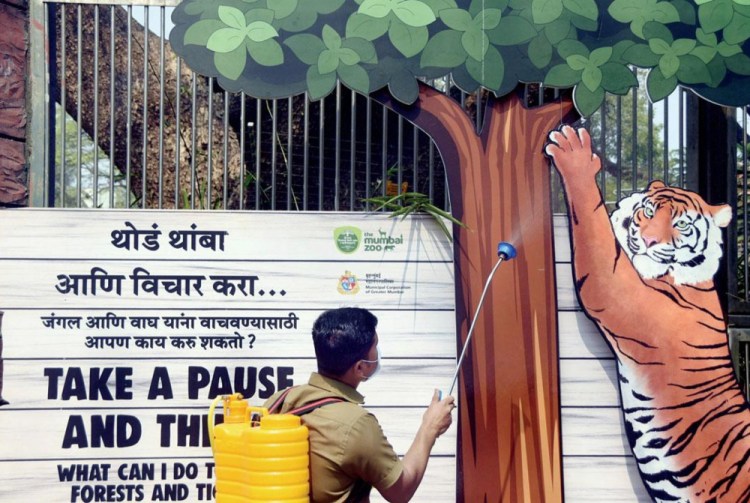
Byculla zoo to expand over 10 acres; BMC plans to house ‘exotic animals’ from abroad – All you need to know

Veermata Jijabai Bhosale Udyan, also known as the Byculla Zoo is currently spread over 53 acres and extra 10 acres have already been procured for the third phase of expansion…

The civic-run Byculla Zoo in Mumbai is set to expand by 10 acres to house new enclosures for several exotic species of animals that will be brought to the facility in the next few years, officials said on Monday.

One of the city’s most patronised venues, officially called the Veermata Jijabai Bhosale Udyan, is currently spread over 53 acres and the extra 10 acres have already been procured for the third phase of expansion, they added.

Over the weekend, the civic body had floated a tender worth Rs 95 crore for the construction of three animal enclosures in the extended area.

The recent reports suggest that the tender pertains to the construction of a space for exhibiting African savanna, an aviary for exotic birds and Emu, enclosure for hippopotamus, landscaping, installation of CCTV cameras, public amenities and other infrastructure works. 

Companies have been given three months to submit their bids. The work is likely to be completed in around two years from the day the contract is awarded, reported Indian Express.

In the Phase III of expansion plan, BMC plans to bring in giraffe, zebra, white lion, black jaguar, chimpanzee, oryx, cassowary, ostrich, okapi, ringtail lemur and cheetah from abroad. The civic body also plans construct enclosures over the extended 10-acre plot.

Under Phase II, the zoo will construct 17 animal enclosures in the existing 53-acre area.

Credits: DNA India

Zoo director Dr Sanjay Tripathi told PTI that a tender had been floated for the expansion work that will see the construction of 15 enclosures to house animals like the giraffe, white lion, black jaguar, chimpanzee, ostrich, ringtail lemur and cheetah etc.

He said the Union government approved the expansion work in 2019.

Brihanmumbai Municipal Corporation officials said work in the first two phases is expected to cost Rs 175 crore and tenders for its have already been floated.

Under these phases, a space for exhibiting African savanna will be built along with an aviary for exotic birds, as well as a hippopotamus enclosure, apart from landscaping, installation of CCTV cameras, public amenities etc.

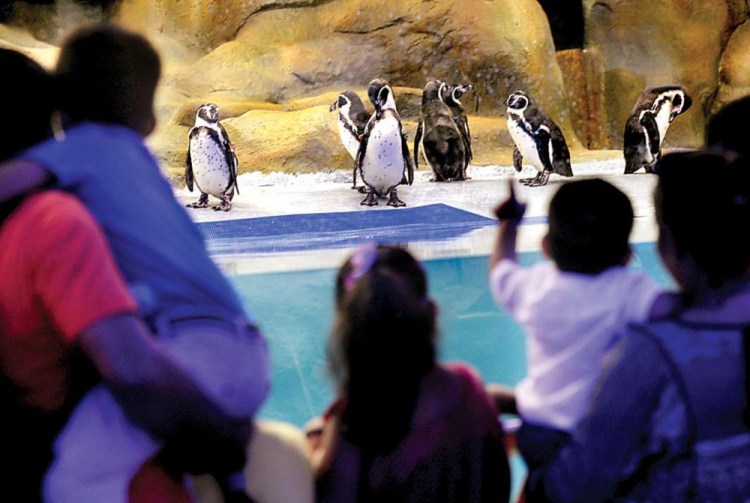
Built in 1982, Byculla Zoo boasts more than 335 animals, birds and reptiles. It is home to monkeys, crocodiles, elephants, deer, hippopotamus, penguins and a surplus of exotic birds.

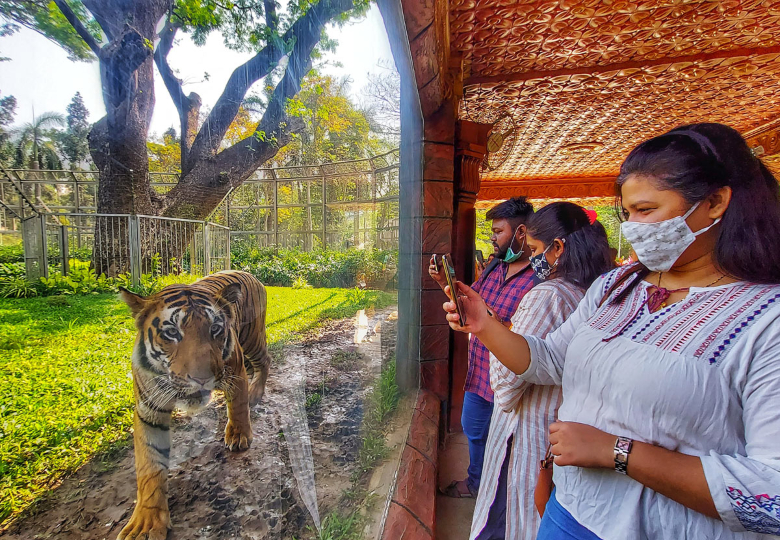
The zoo already has – 10 enclosures and exhibit areas, including a specialised underwater viewing facility for visitors to get a close look at the tiger pair.

Credits: Mid-Day

Enclosures for leopards, sloth bears, hyenas, jackals, sambars, spotted deers, swamp deers, and Madras Pond Turtle have also been constructed. Additional enclosures for otters, Indian wolf, barking deer, Nilgai and four-horned antelopes are under construction.

Prior to the lockdown last year, a pair of Bengal tigers, striped hyenas, a jackal, a leopard and a sloth bear were brought to the zoo. In January 2020, Chief Minister Uddhav Thackeray had also inaugurated a new aviary – housing over 100 species of birds.

Feeding Wildlife In Times Of COVID-19: Death In Disguise?

The unprecedented exodus of wildlife towards densely urbanized settlements is a joy to behold. However, is feeding artificial substances a death in disguise?

Twitter: Himanshu Parmekra

As most of us remain under lockdown to fight the novel coronavirus, nature is on a path-breaking course to reboot itself from human greed and disintegrating the carbon footprints. Wild animals and birds are now swarming the streets of Mumbai and several parts of the nation that were once cramped with humans are now experiencing this unprecedented phenomenon. 

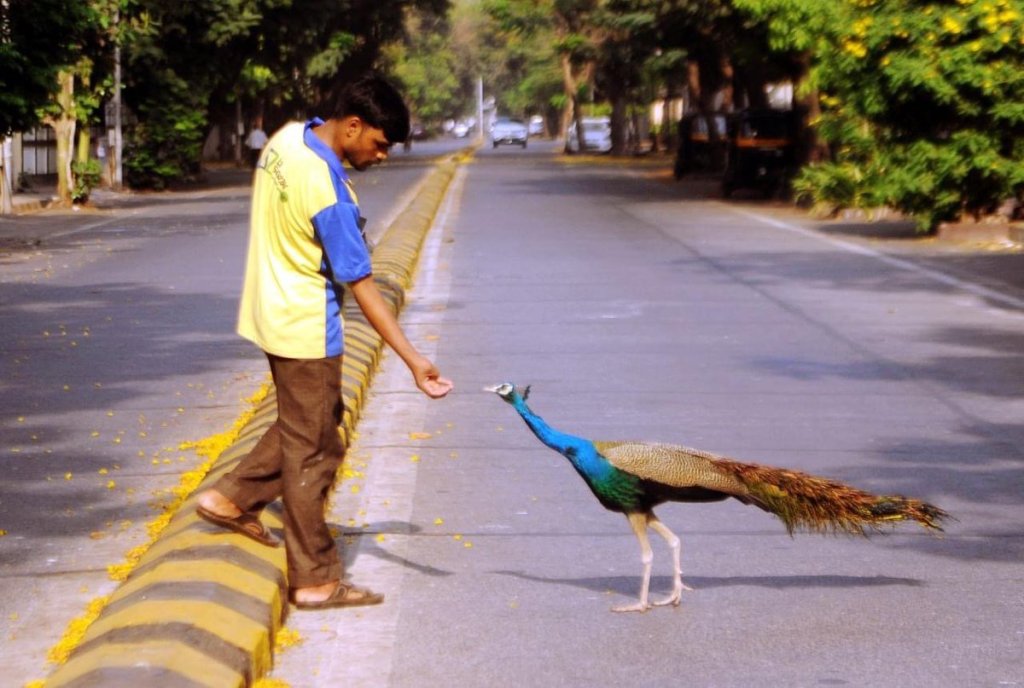
A few are on a mission to feed the strays across the town, however, human curiosity has always jeopardized the future of wildlife. These curious feeders tend to go close to the wild animals and birds, trying to feed fried snacks. 

Environmentalists believe that feeding artificial substances will show adverse effects in the long run, as the animals tend to be dependent on humans and they would lose their ability to scavenge food. 

Research has also proved that wild animals have specialized diets, and they can become malnourished or die if fed the wrong food. Their inability to distinguish food can lead to a serious outcome. Humans can only feed a certain number of species, as grains only benefit a few. These selective species get a survival advantage over others and this gradually changes the species composition in the area. 

Birds are known to possess highly varied diets as some fruit eaters are only known to feed on a specific variety of fruits. For example, peacocks/peafowls are omnivores birds – they will eat almost anything both meat and vegetation. In the wild peacocks/peafowls eat fruit, berries, grains, small mammals, reptiles, small snakes and insects. They like ants, millipedes, crickets, termites, centipedes, locust, and scorpions.

However, the recent peafowl spotting has piqued the Mumbaikars interests and their seemingly inexorable urge to decrease the distance between them can possibly lead to chaos among their species.

In addition to it, Feeding makes the animals fearless of humans, making them an easy target for poachers.

It is the curiosity that has affected the survival of animals. Humans have been curious for a long time now, and it is time that we hit a break on our curiosity at least for some time now and let nature recover itself. It is understood that we want to help, however lack of knowledge can change their diet patterns which will invariably harm them. 

Aarey Metro Car Shed: A Moment of Silence for all those Martyred under the decisions of Hypocrisy?

Sena Chief Uddhav Thackeray backs out from his agendas? It’s evident India definitely lacks political leaders who stand by environmental issues!

Picture Courtesy: ANI

Too much said than done! 

In the past few months, Maharashtra has seen quite a dramatic progress in a fight to attain the high seat as the sworn leader. Shiv Sena chief Uddhav Thackeray took over the office with Sharad Pawar backing him.

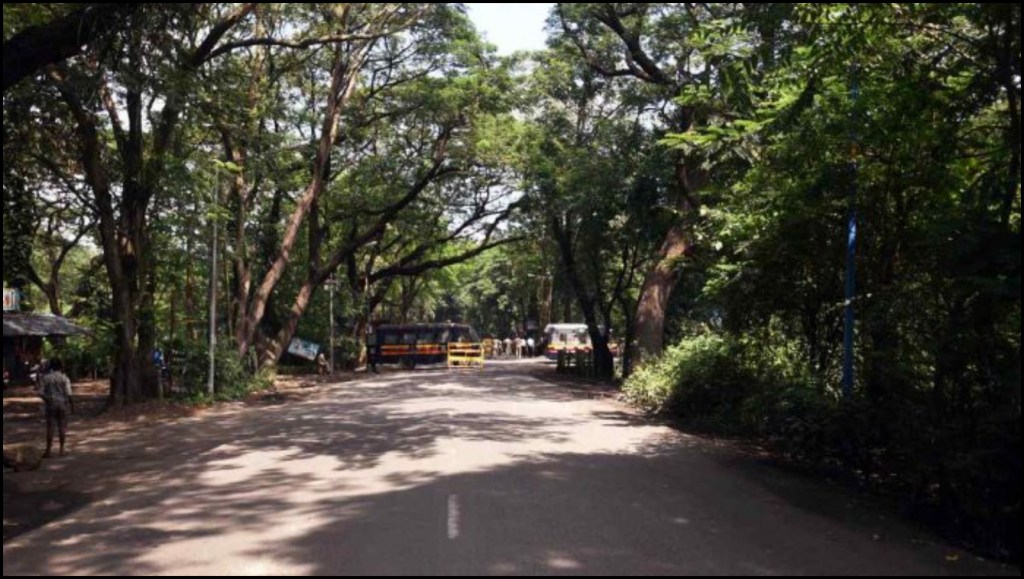
As we view the events in chronological order, Thackeray also passed an order to stop the construction of Metro car shed in Mumbai’s Aarey Colony. Until December 7, 2019, Maharashtra rejoiced these commands as trees that guarded the outskirts of Aarey Milk Colony appeared out of threat.

The Sena chief was under the radar for a drastic change in his agenda, as the party took up deforestation plans in Aurangabad.

Maharashtra breathed a sigh of relief for less than twenty days and several reports unveiled their intentions which seemed rather ‘selfish’. Not to mention, India lacks political leaders who are educated enough to stand against the ecological issues the country has faced in recent years.

Perhaps, building a memorial is far more feasible than conservation of a park/forest!

Similarly, the debate for a stay on Aarey’s Metro car shed has finally seen light but not even a month for the case to settle down, the party is already looking forward to trim approximately 1,000 trees in Aurangabad for party founder Bal Thackeray’s memorial.

Meanwhile, the Sena led Aurangabad Municipal Corporation (AMC), had visioned the 17-acre Priyadarshini Park as the site for the memorial.

On the contrary, the park is known to be home to estimated 70 species of birds and 40 species of butterflies and reptiles. Unlike Mumbai’s Aarey, the Priyadarshini Park is the Green Lungs to Aurangabad.

Amidst all the pre-existing reports, several facts hint at the true upheaval eco-friendly decisions in the state.

Earlier, Sena leader Priyanka Chaturvedi took to her Twitter handle to clarify the same. She tried asserting that no trees would be cut for the memorial.

Some are still blinded by the unseen propaganda for their own evil intentions and the security of these areas rests under the hands of political powerhouses. Will Maharashtra once again see one more incompetent government that might soon revoke its own orders (Still a possibility that cannot be ruled out)?

For now, fate of Maharashtra’s ecological areas rests on decision taken up by Sena. In retrospect, the protests in Aarey were one of the most revolutionary movements in the history of climate change and maybe the first ever collective effort taken up by the state. How long can we delay the process?

The construction at Aarey has been paused; But for how long now? What is the conclusion to the on-going issue? Why is there no firm statement being offered when saving the forest is always a priority?

The failure to conclude this issue has only left us with ‘Faith’.

Unseen Mumbai: Exploring the Ecstatic counterparts of Wetlands in Mumbai

Obscurely intricate yet mystical since its genesis, today mudflats in Mumbai face the constant dangers of degradation…

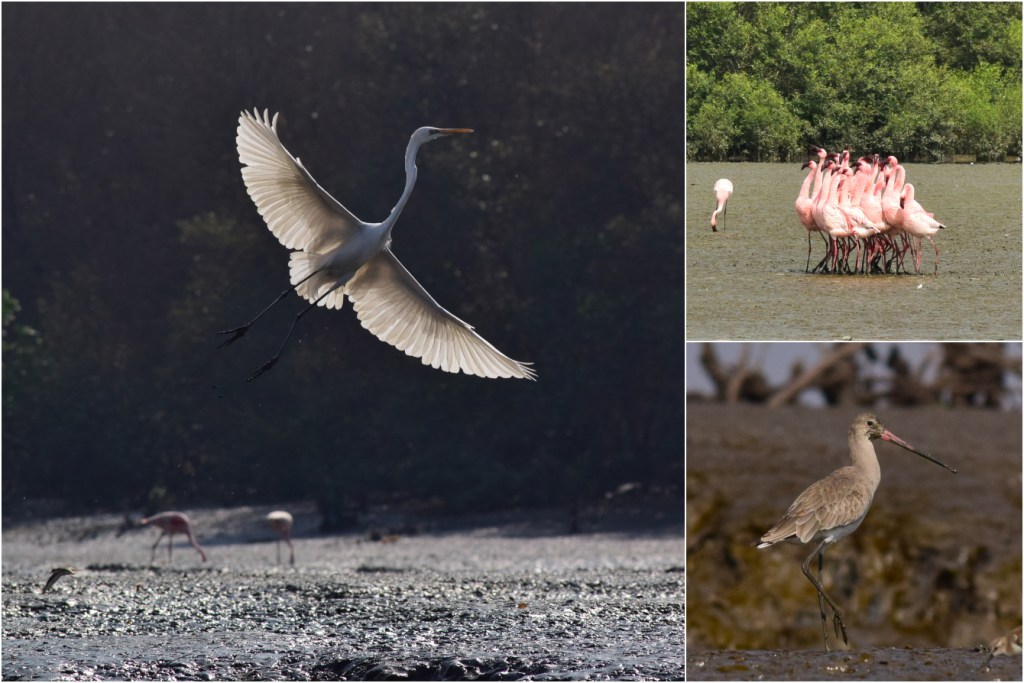
Intermediate Egret, Lesser Flamingos and

‘To capture the scenic unseen beauty of nature, crossing the mucky lands is quite nauseating.’

While most of us live in the carcinogenic world around us, many have overlooked the condition of Indian Wildlife and the habitat that surrounds it. Every year environmentalists maintain a count of flamingos and other exquisite birds that maneuver through the mudflats in Mumbai.

The flamingo census scripts an amalgamation of various elements taken into consideration which play an important role in calibrating the estimate count of the population visiting the city. The census mainly focuses on species of Greater Flamingo and Lesser Flamingo.

The unprecedented rainfall even during the month of December has been liable for the declining population. The rising water-levels have derailed the food chain which is co-dependent for their own survival. The counterpane spread across the acres of land has been under great depression due to the overflowing blue-green algae. Flamingos mainly feed on Algae (which helps them obtain the iconic pink hue).

However, it wasn’t always the same!

No sooner you enter the channel/transit; these wetlands are already bustling with waders, raptors and activities of various agents inhabiting these lands. The deep rooted mangroves act as the ‘sentinels’ guarding the mudflats and the habitat around them.

Well, that’s what makes a photographer vulnerable!

The windy dawn never freezes the life around, although the researches are in constant threat of being exposed to the human waste floating across the creek. It’s a devastating after-image as it gets horrifying with the passing step one puts across. It’s sad to watch the concrete jungle building across these majestic wetlands and affecting these sound sensitive creatures.The destruction has definitely posed higher threats of survival for humans as well, and the declining numbers of flamingos in creeks is one of the major evidence.

Reminiscing the Episodes of Ecological Resemblance

Several species have survived through the process of adaptation, however, the alterations in its habitat has sparked several debates about the same…

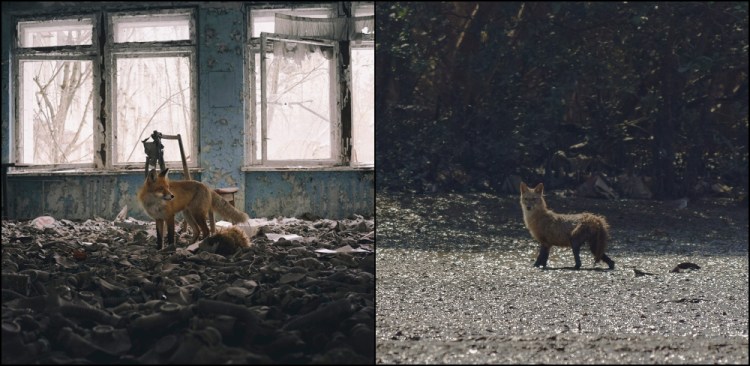
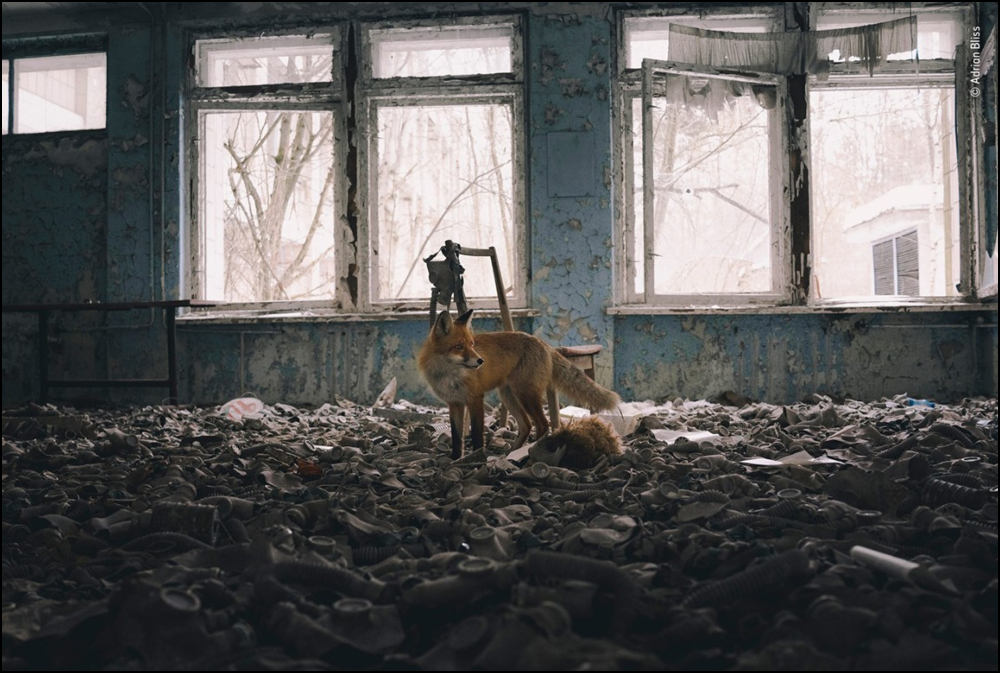
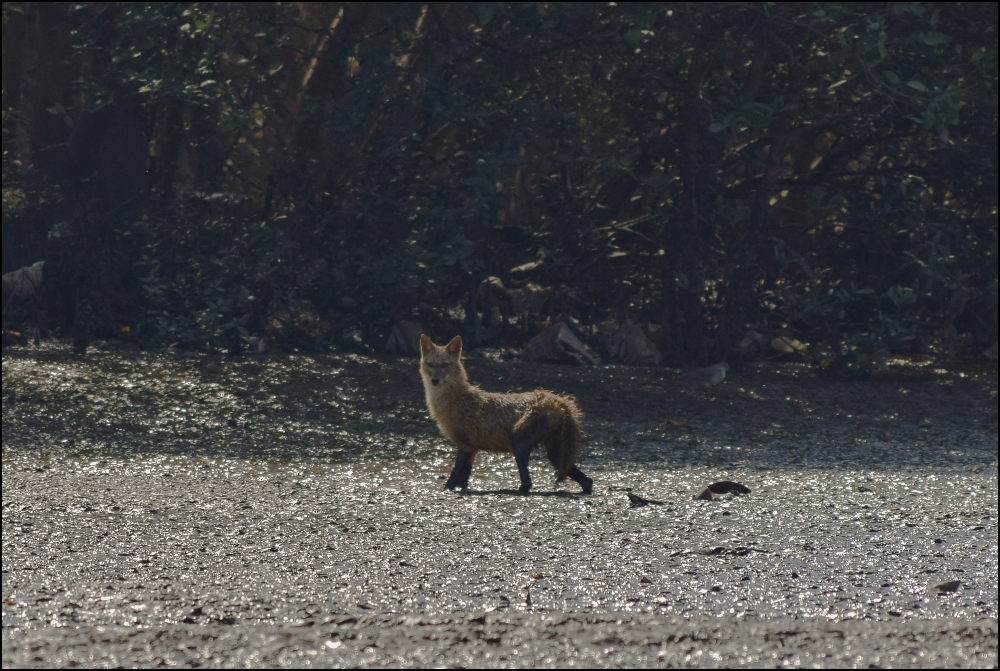
Left: A red fox photographed by Adrian Bliss in Kiev | Right: A Golden Jackal photographed by TheNemophilist (Shreejit Shelar)

The bleak and deteriorating landscape has been scoffed by mere human errors. Irrespective of the intensity to which an intellectual ape can commit such errors; these scant yet ignorantly high-staked mistakes have wreaked havoc upon the earth. The upheaval in environmental conditions has been proliferating indecisively for a century now.

The constant hunger to devour most of the resources around the globe has been reducing the distant hope of survival. With the heart-wrenching incident that took place 6 decades ago, the horrors of nuclear disaster in Chernobyl still manage to instill fear among the most resilient men. As we try to find the genetic residue that might be an indicator of the long-striving landscape in Chernobyl, a new hope has emerged in the form of a red fox that survives through the radioactive debris in the small town of Kiev.

Credit: Adrian Bliss

Photographer Adrian Bliss captured an inquisitive sight as a red fox (Vulpes vulpes) trotted through the strewn gas masks in the canteen of Middle School Number Three – one of the most iconic rooms in the Exclusion Zone.

The reports definitely piqued my interest and it instantly reminded me of the experience as I came in contact with a golden jackal (Canis aureus indicus) around the wetlands in Mumbai. Its sturdy eyeballs fixedly gazed upon me through the afternoon sun that partially blinded my eyes with plain white bokeh. The intimate encounter was definitely worth cherishing as the whole setting etched an exquisite image which could be hardly forgotten. It stood there covered in the swamp until the very limb which he maneuvered.

Photo by: TheNemophilist (Shreejit Shelar)

The constant degradation of mangroves has driven the Golden Jackal on the verge of extinction. The lack of diet is just the start and some might definitely not find it alarming, but they are also dealing with issues such as being pushed away from their own habitat.

In retrospect, the reports in The Hindu clearly state that Bandra Reserve Forest has aroused a conflict between the local communities and the monogamous creatures that are original residents of the area.

Amidst all the problems, how do jackals cope with these long lingering issues?

“We have recorded several golden jackals in the BRF through camera traps. The sighting out of its habitat is a sign of its destruction,” said A. Appa Rao, an expert engaged in the restoration of the mangrove cover.

A Hope Disappearing?

Over the years, constant degradation of environmental landscape has definitely proved fatal however, Suzanne MacDonald (a psychologist and biologist at York University in Toronto, Canada, who studies urban raccoons) still believes, “To live in harmony with animals whose habitat we’re destroying, we’re going to have to do a lot more work in what we’re doing to them.”

Similarly, due to the struggle for survival and scarcity of food many species have adopted scavenging techniques. Adaptation has constantly changed the Wildlife demographics around the world and it will continue to alter facts and the pre-existing knowledge in the field of environmental science. But currently, wetlands face the same dangers to that of a nuclear disaster. Alas, the only difference is that pollution is a virus that gradually the habitat affects!

A Desperate Call for Conservation?

Mangroves hold no aesthetic value but, they are one of the most important catalysts in balancing the ecological conditions. In recent years, countless mangroves are in dire need for conservation; is it time to our voice?

Design a site like this with WordPress.com
Get started